Industry News
& Insights
Environmental and grounds management news curated for the Grass Barbers community — stay ahead of industry trends.

Win a Three-Day Trip for Two to IGA 2027, Valued at £1,000
Enter now for your chance to experience unique garden shows, industrial culture, and unforgettable moments with a loved one in Germany’s Ruhr region.
Read article
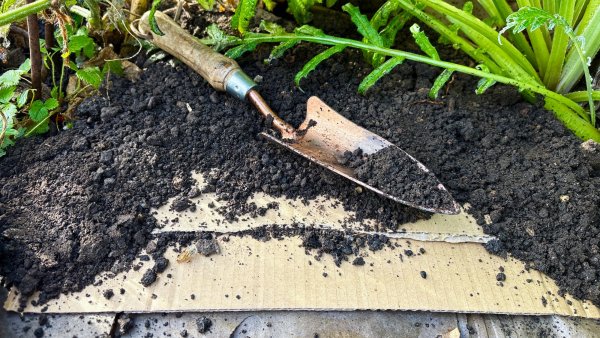
I Mulched My Vegetable Bed With Cardboard and Had a Great Harvest – Yes, It Works!
Inspired by a successful USDA-funded trial, I decided to use cardboard mulch on my vegetable bed. Here’s what I learned so you can avoid my mistakes and enjoy your own vegetable-growing success.
Read article
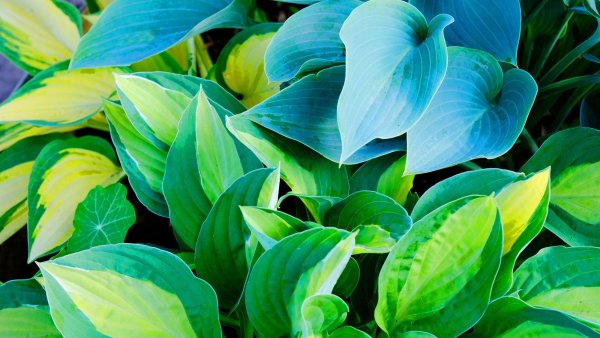
What Your Hostas Need in October – 6 Simple Ways to Ensure Strong Plants and Lush Leaves
Although October marks dormancy for hostas, there are several easy steps you can take this month to give your leafy beauties a head start for next year.
Read article
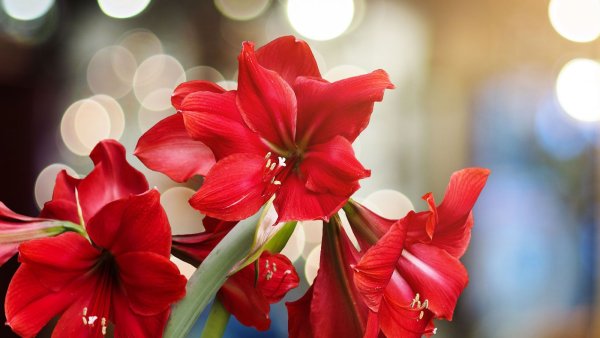
What to Do With Amaryllis in October – 6 Key Steps for Stunning Holiday Blooms
A stored amaryllis bulb or a pot that spent the summer on the porch can be coaxed into a holiday display. Start now if you want flowers for Christmas.
Read article
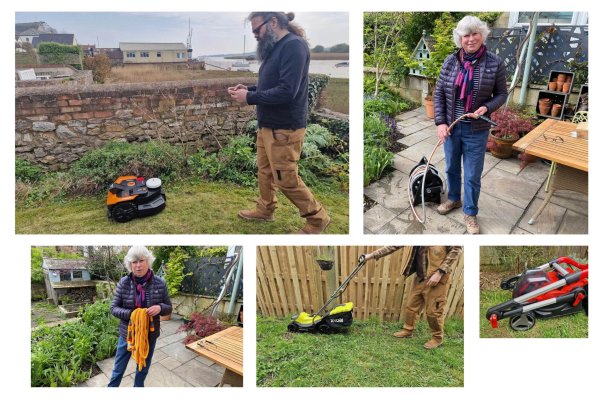
The Best Buys of 2026: Every Product We Tested and Awarded a Best Buy Badge
From robot mowers to compost tumblers, here are the 26 products our reviews team tested in 2026 that earned a BBC Gardeners' World Magazine Best Buy badge. Each scored 4.5 out of 5 or higher, and you’ll find our summary and a link to the full review below.
Read article

What's Your Birth Month Pumpkin? Find the Perfect Halloween Carving Design for You (And Its Meaning)
Not sure how to carve your pumpkin this year? Your birth month might hold the answer...
Read article
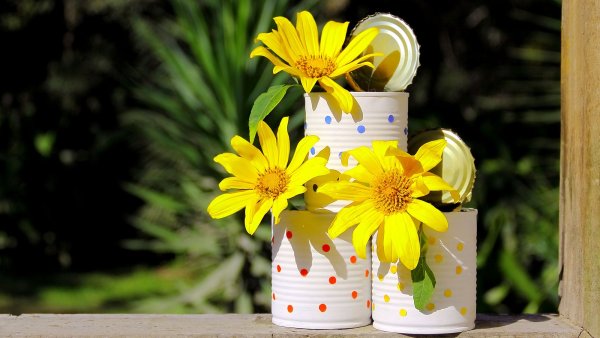
'I Always Save Old Tin Cans for My Garden' – 8 Creative Ways to Transform Trash Into Gardening Treasures
Empty food cans often go straight to the recycling bin. However, with a quick wash and a few nail holes, they can find a new purpose in the garden.
Read article
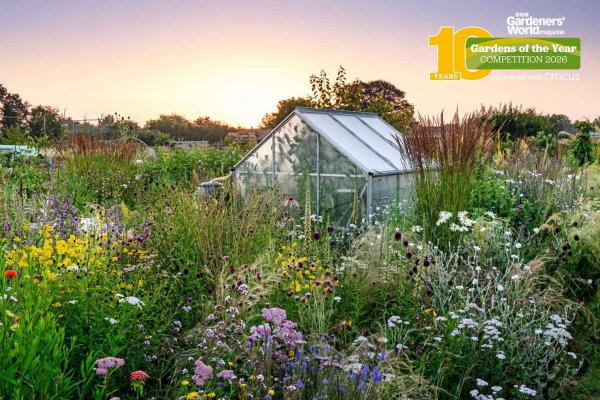
Gardens of the Year 2026 – Best of the Best – Winner Announced!
Thank you to everyone who participated in our Gardens of the Year 2026 competition. After featuring your top three gardens in our June issue, we are excited to announce our ultimate winner – Nadine Mitschunas and her Oxfordshire allotment.
Read article
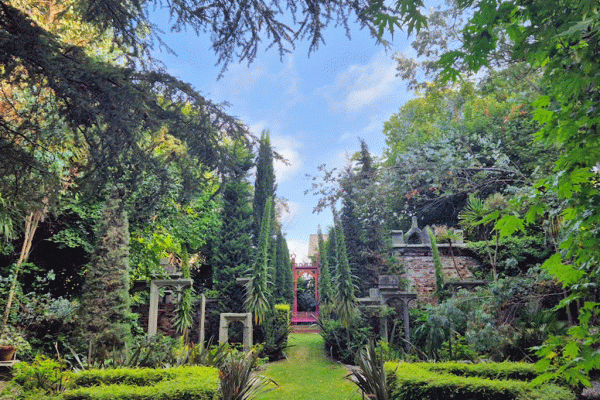
Explore the Gardens of Dublin & the Wicklow Mountains
Immerse yourself in the stunning gardens of Dublin & the Wicklow Mountains, starting from £2999 per person, from 18-24 August 2027.
Read article
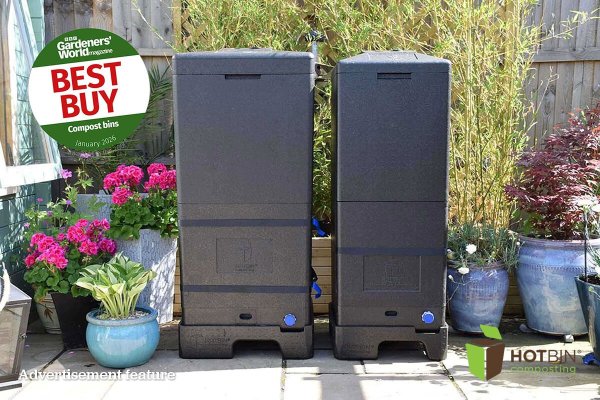
Win a HOTBIN Composting Bundle
Enter now for your chance to convert food and garden waste into nutrient-rich compost at home in just a few weeks.
Read article